News(12 OCTOBER)
Eighteen, for Both
LVMH and Kering have rewritten the model charter they signed in 2017. The age floor is now 18 across both groups. The rules on nudity, reporting and audits matter more, and the text leaves open who checks them.
- Published
- Read
- 5 min
- Nº
- 06
- Format
- The Fold's Read
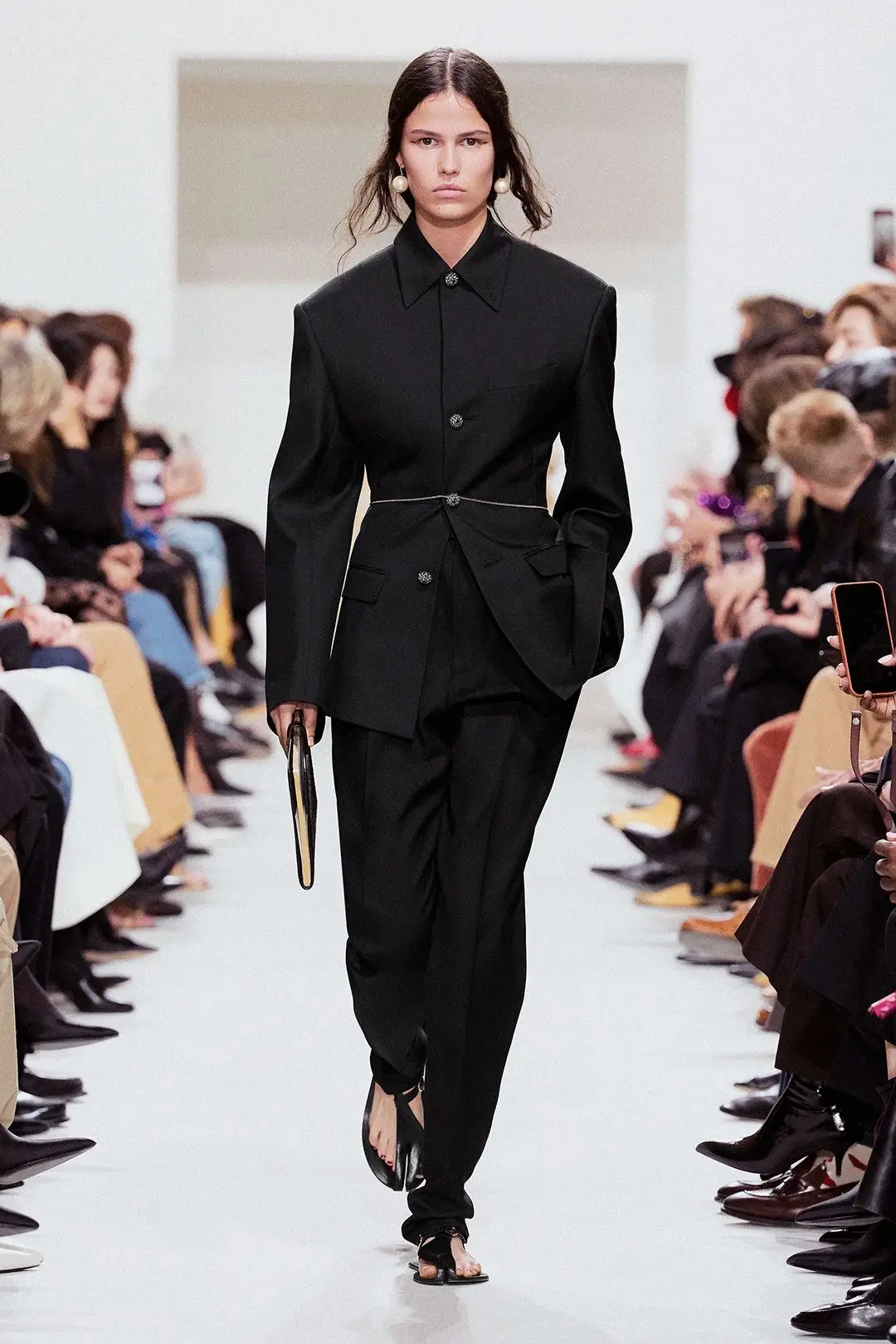
On 8 October 2026, LVMH and Kering published a strengthened version of the model charter they first signed together in 2017. The line everyone will quote is the age. Companies in both groups will no longer hire models under 18 to represent adults in shows or shoots. The rules take effect with the next Paris Fashion Week, in 2027.
The age is the easy part to write down. What makes this charter different from the first one is everything around it: rules for nudity, a reporting procedure with witness protection, training, unannounced audits and an annual monitoring committee. It is the most detailed set of model-welfare commitments the two biggest luxury groups have put their names to. It also leaves open how anyone will know whether it works.
2017: the first charter
The two groups signed their first joint charter on models’ working relations and well-being in September 2017. By Kering’s own summary, its main commitments were a valid medical certificate, issued within the previous six months, for every model. No size 32 for women in casting requirements. A minimum age of 16 to represent adults, with specific rules for models aged 16 to 18. The option for models to complain directly about an agency, casting director or brand. And practical basics: a reserved area to change, food and drink suited to models’ needs.
It was a real step. Two rival groups agreed one standard for every house they own, and most of fashion had none. But the minimum age stayed at 16.
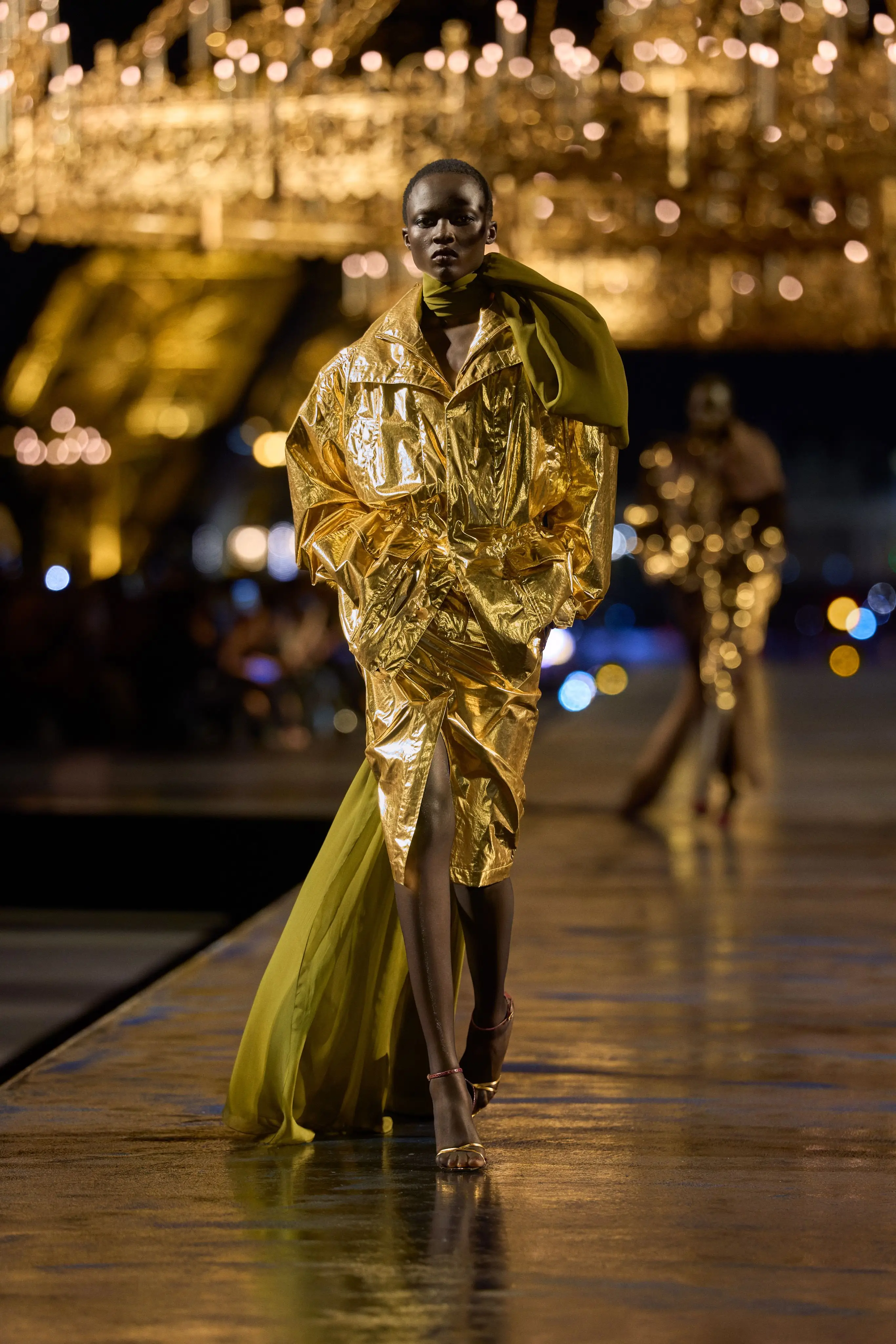
Kering houses, Spring 2027
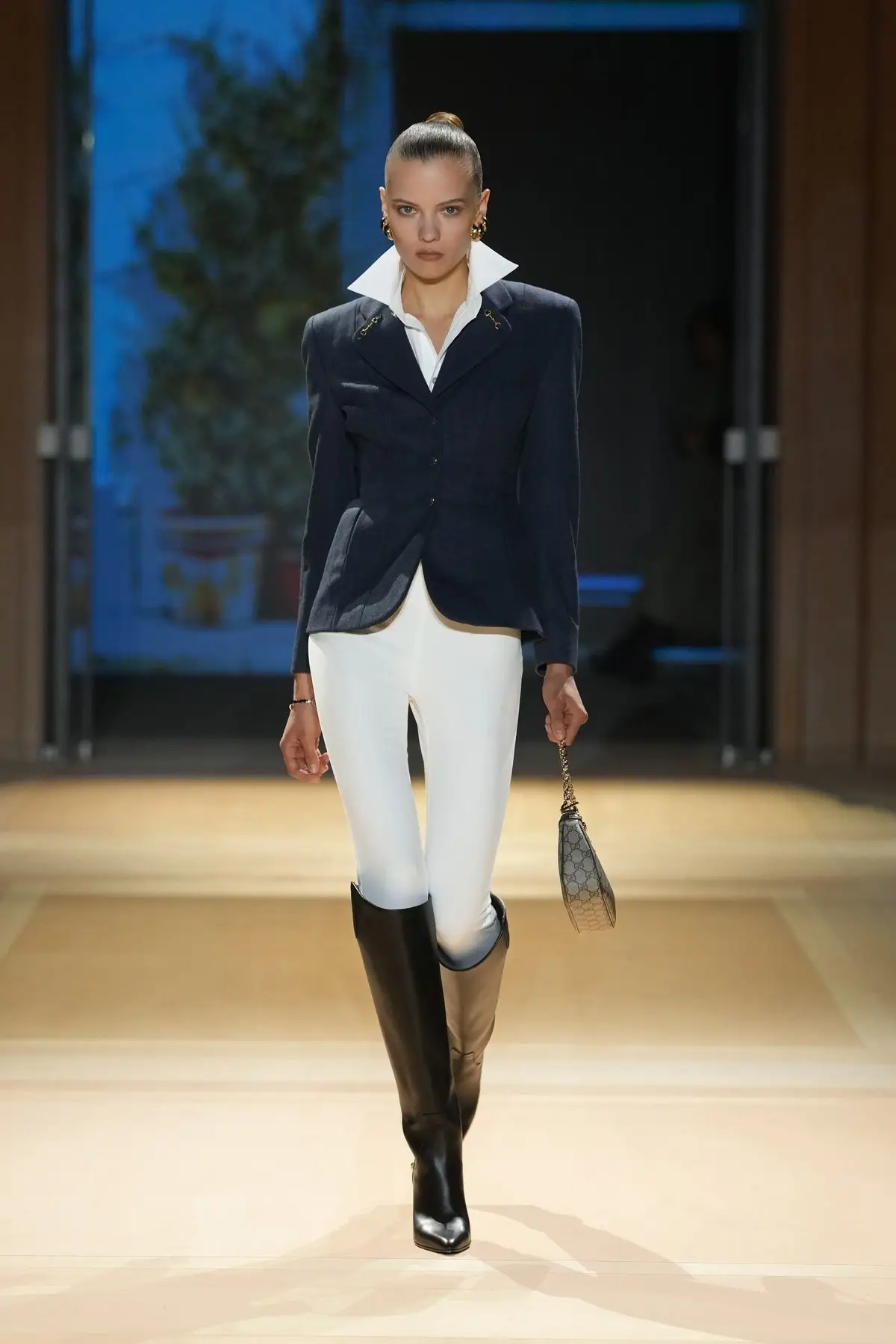
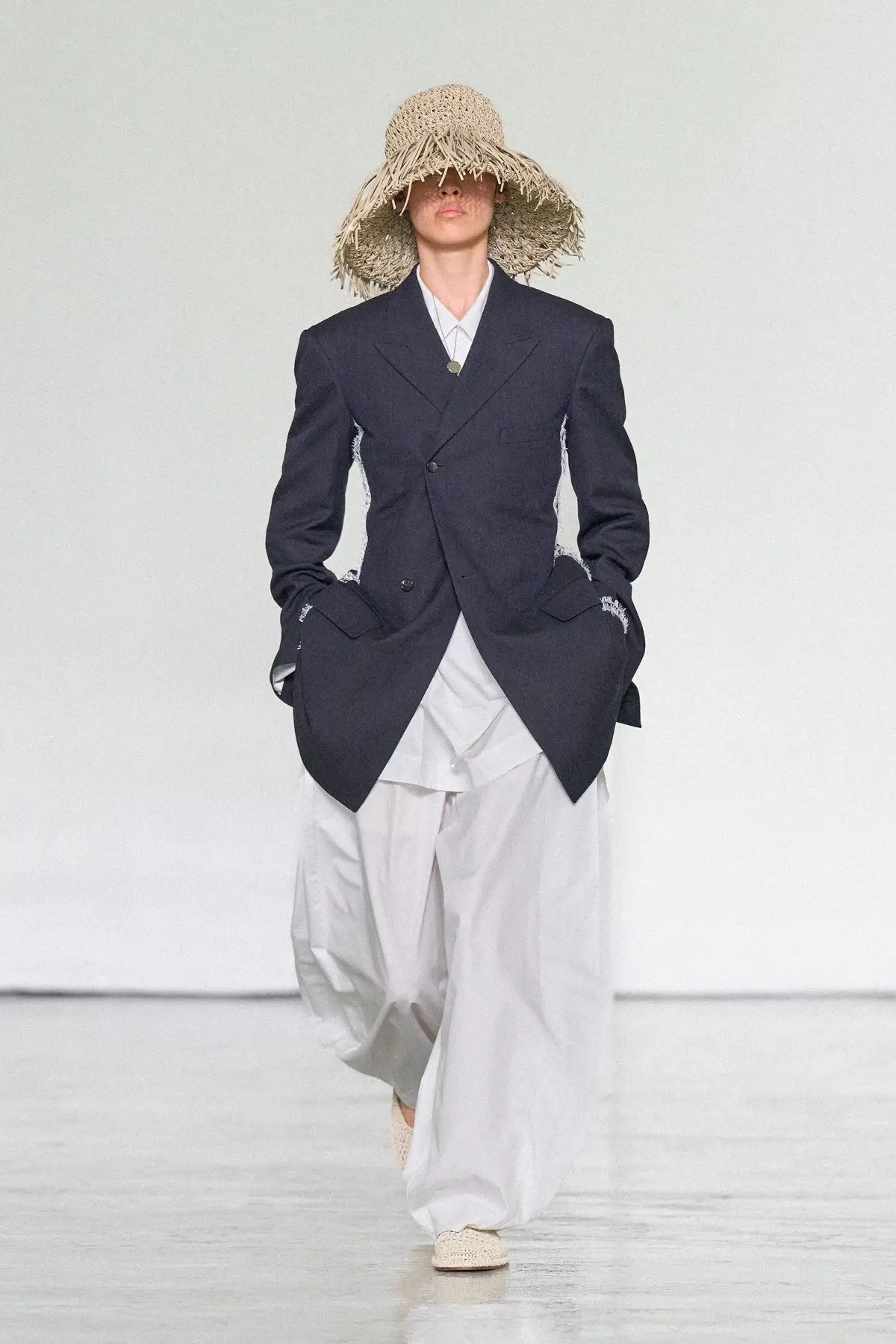
- 01Gucci, Spring 2027, look 1.
- 02Gucci, Spring 2027, look 4.
- 03Bottega Veneta, Spring 2027, look 3.
Photos: Gorunway.com
2019: Kering moves alone
In May 2019 Kering went further on its own. It committed its houses to hiring only models over 18 to represent adults, starting with the Fall Winter 2020/2021 shows. At that point Gucci, Saint Laurent, Balenciaga, Bottega Veneta and the rest of Kering’s houses worked to 18, while LVMH’s houses stayed on the charter’s 16.
The new text closes that gap. The groups say it plainly: the 18 floor is an extension of Kering’s commitment and an evolution of the 16 that LVMH set in 2017. For Louis Vuitton, Dior, Celine, Givenchy, Fendi, Loewe and the other LVMH houses, it is a new rule. For Kering’s, it is the 2019 rule, now shared and written into a joint document.
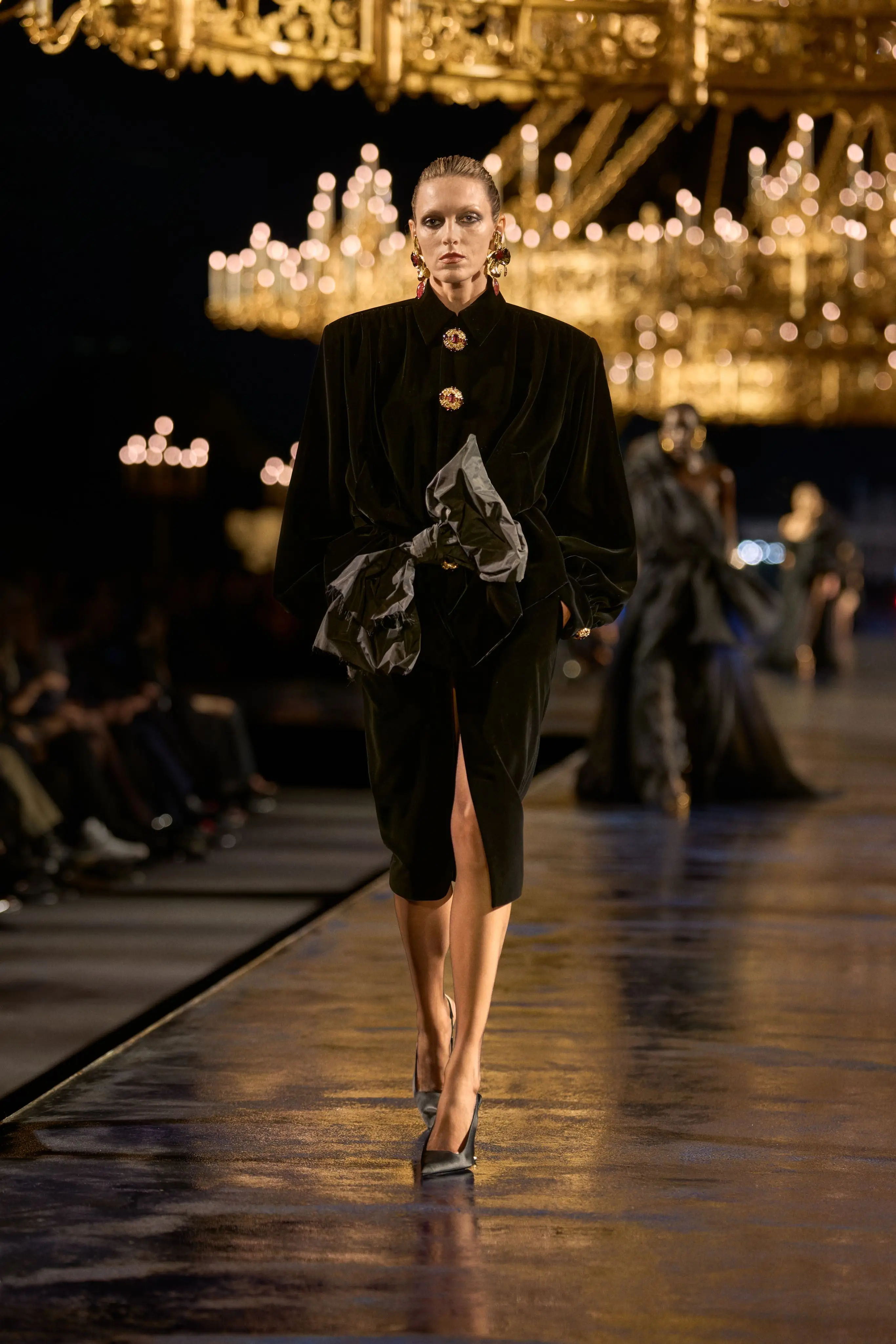
LVMH houses, Spring 2027
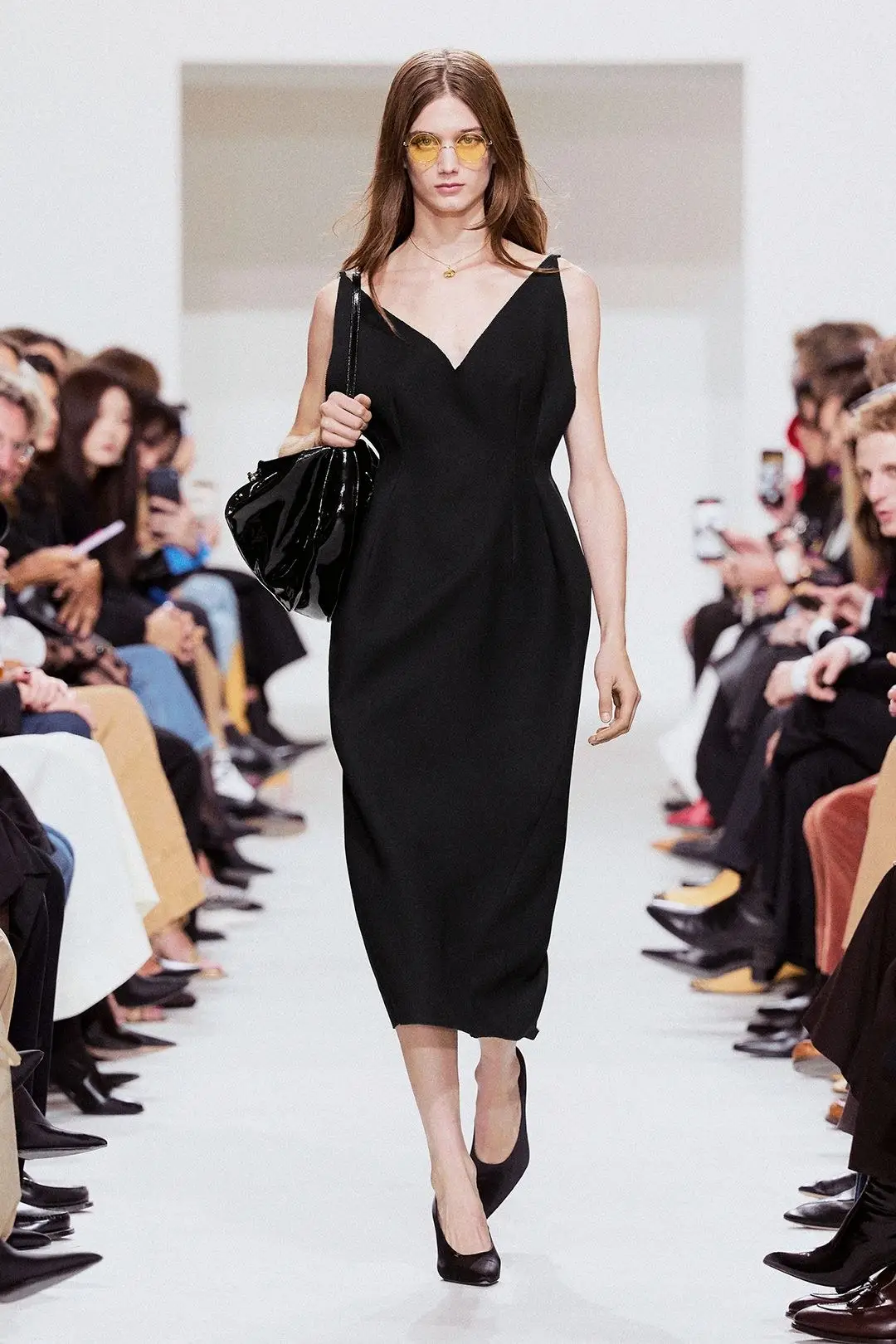
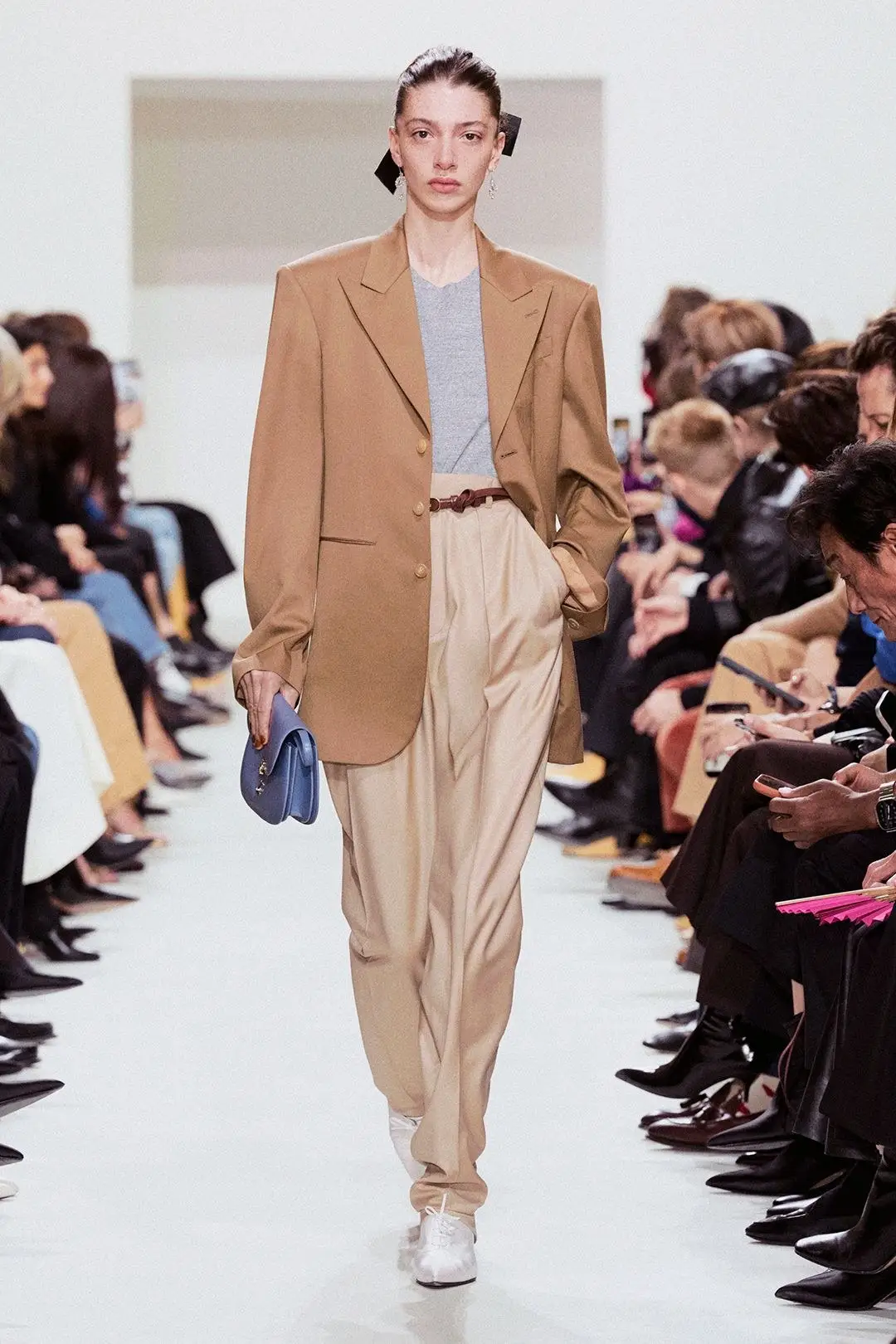
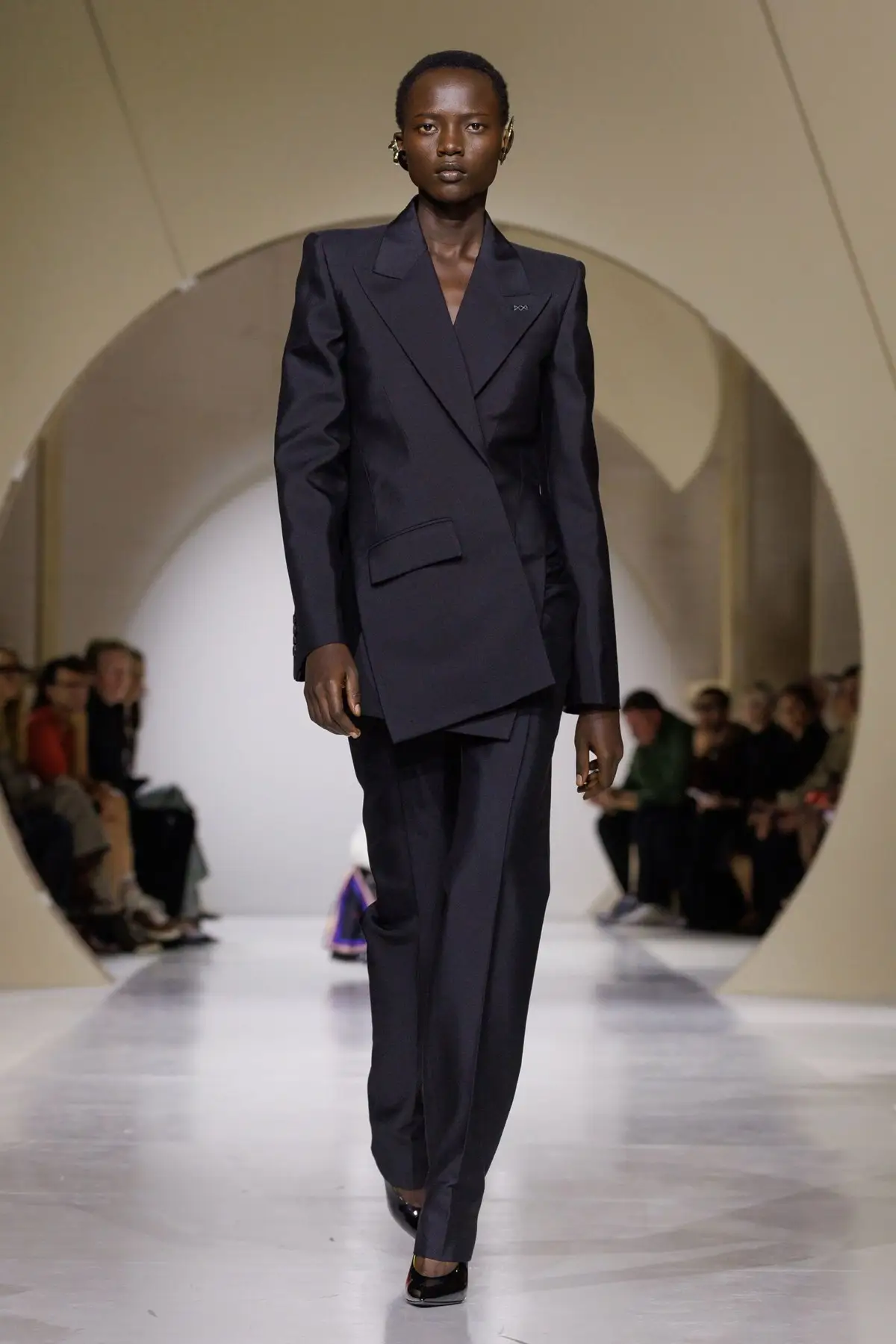
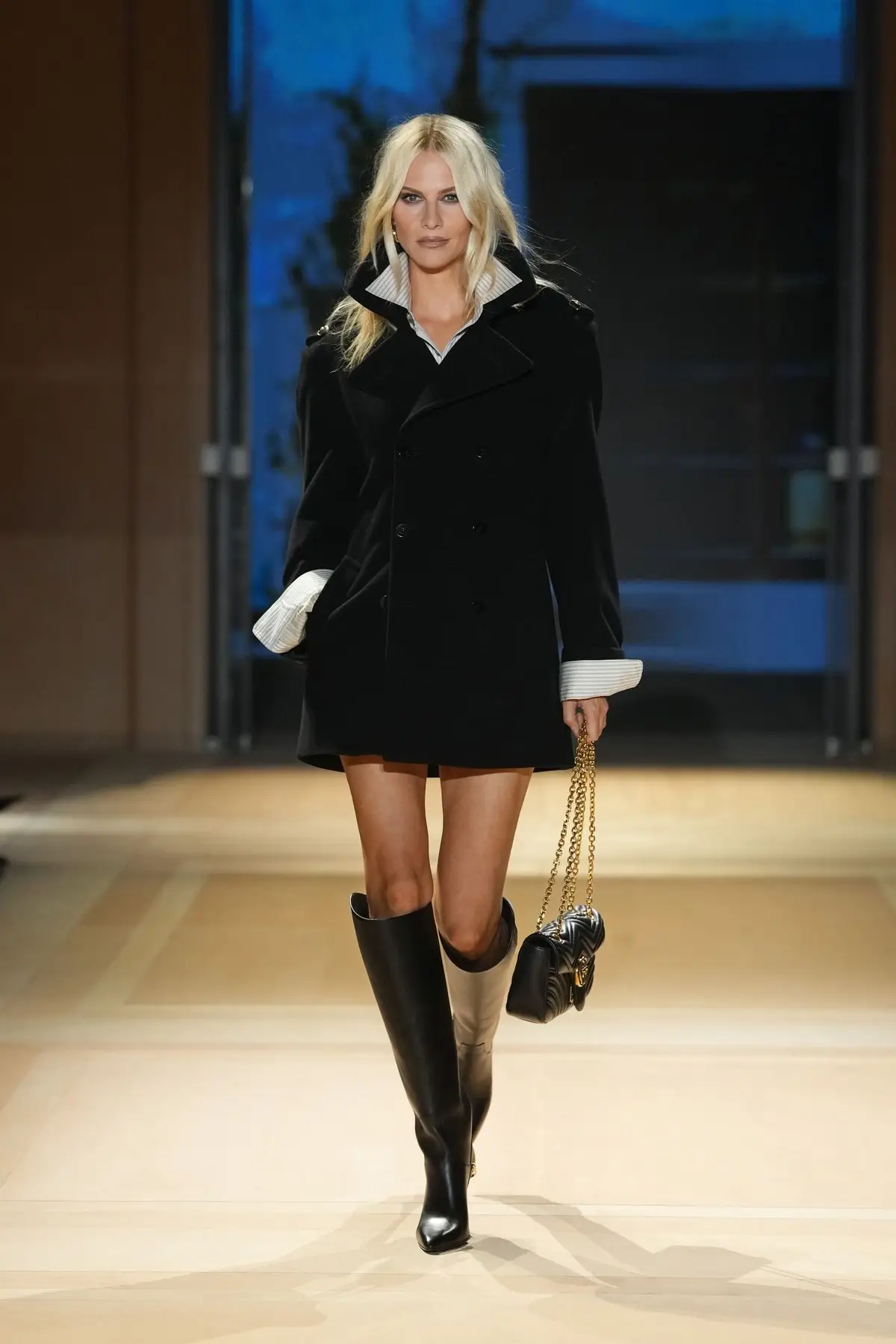
- 04Celine, Spring 2027, look 1.
- 05Celine, Spring 2027, look 5.
- 06Givenchy, Spring 2027, look 3.
Photos: Gorunway.com
The full new rules
The charter now opens with zero tolerance. No harassment, abuse or violence, physical, verbal or psychological, “regardless of the perpetrator or the context”. No remark or gesture based on gender or physical appearance is acceptable. A culture of consent has to run from a model’s first contact with an agency to the end of the job.
Specifically, the text and the groups’ statement set out:
- Nudity and appearance. Any nudity, partial nudity or change in appearance has to be formally accepted in advance by the model, through the agency where there is one. Models get a reserved area out of sight and robes before and after changes. In situations of nudity, they must never be left alone with a member of the production team or a photographer. This applies indoors and outdoors.
- Reporting. Models must be able to report any inappropriate act at any point, to a named contact person at the brand or the agency. Where a company has no tools, the signatories put an external procedure in place. Every step is recorded in writing, anonymity is protected on request, and so are witnesses.
- Support. Companies provide psychological support to models while they work for them.
- Training. Awareness and training for brands, agencies and everyone involved in castings, shows and shoots.
- Castings. At least one brand representative must be present at internal castings.
- Audits. Companies may carry out unannounced checks and audits during shows, shoots and castings.
- Monitoring. An annual monitoring committee of company, agency and model representatives assesses protection levels and checks the charter is applied.
The working basics carry over and are spelled out more precisely. A medical certificate under six months old. No women’s size 32 or below and no men’s size 42 or below in French sizing. Transport home after 8pm. Specific negotiation when a booking comes less than four hours before a show. Pay within legal timeframes. No alcohol during working hours.
Givenchy and Bottega Veneta, Spring 2027
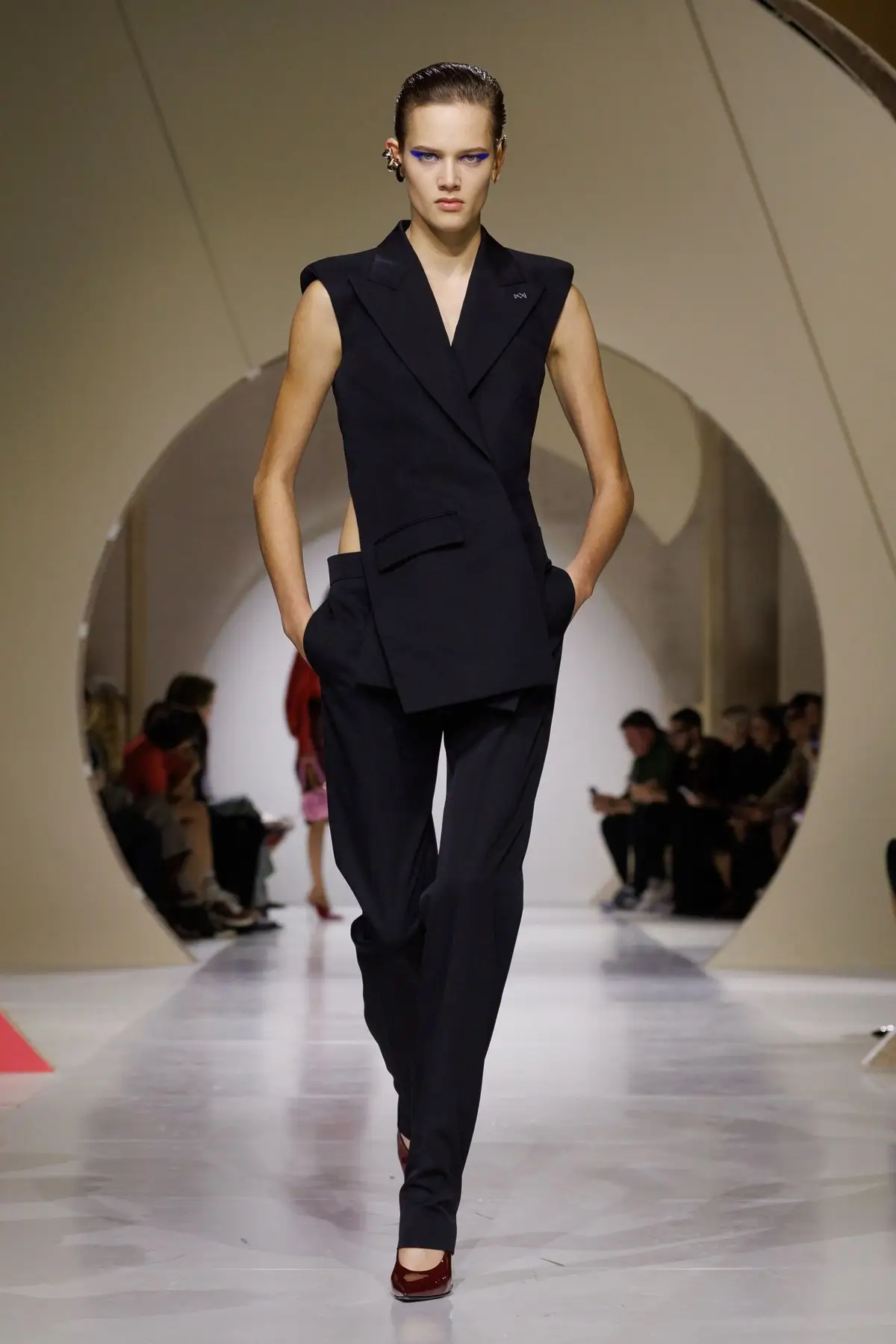
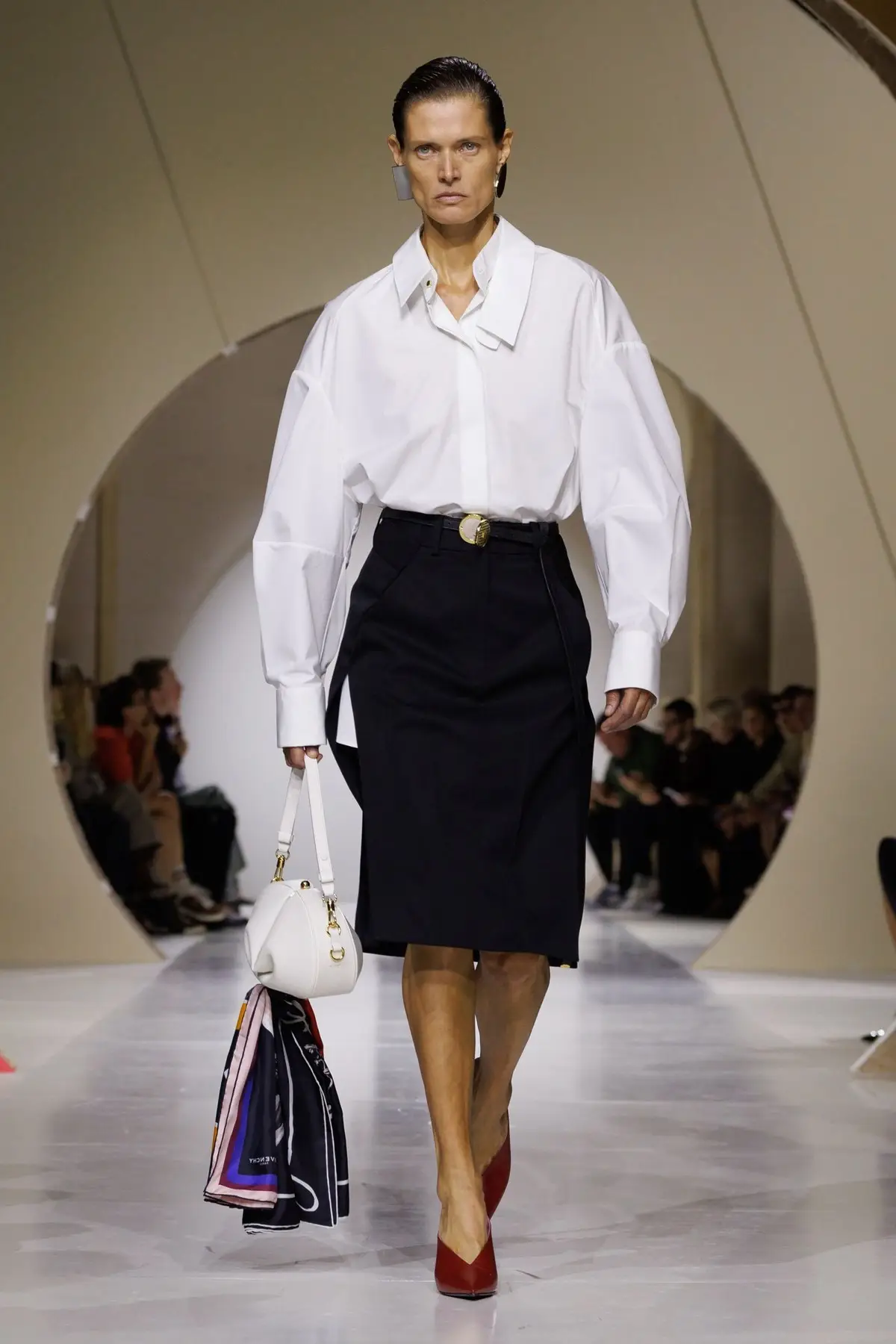
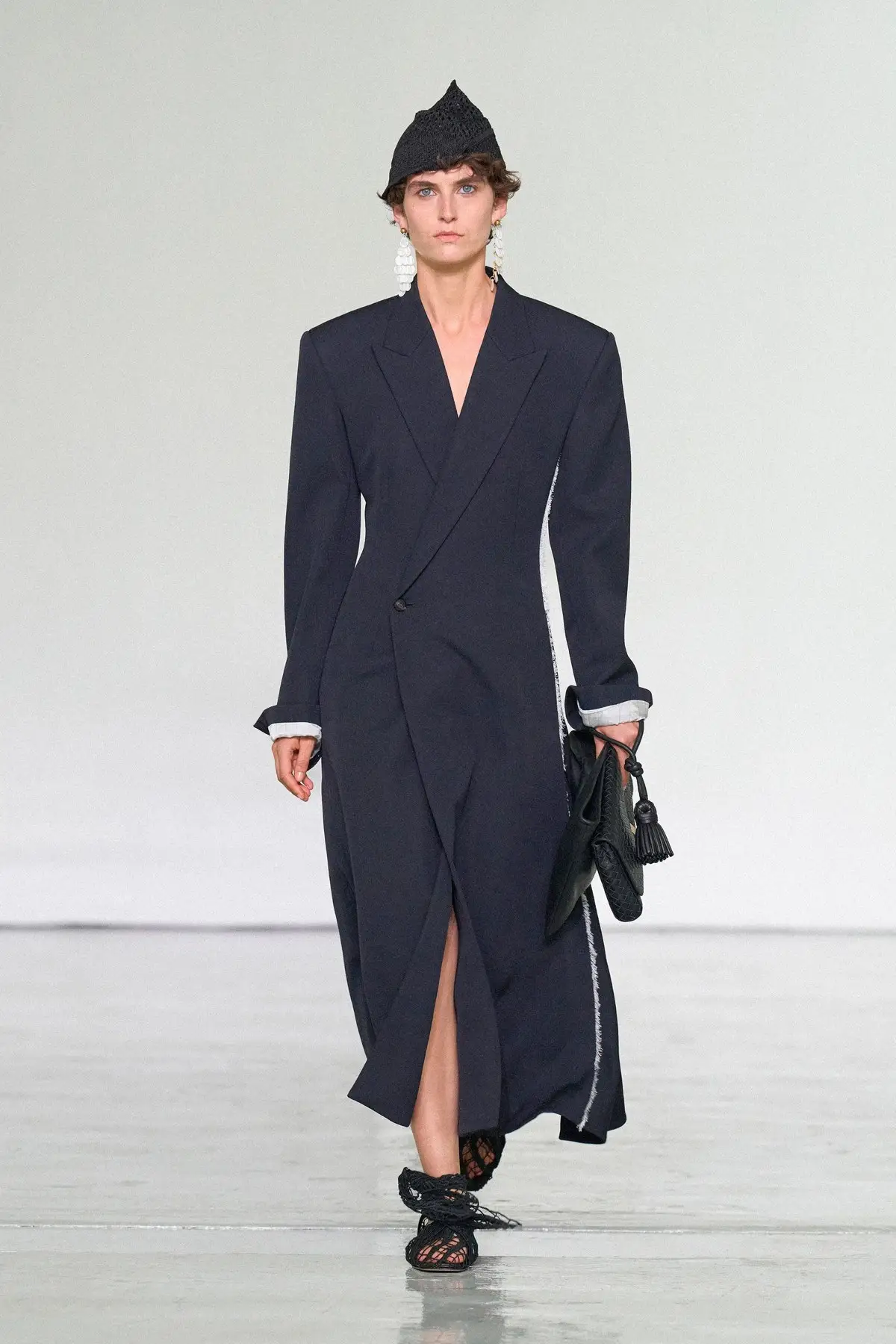
- 07Givenchy, Spring 2027, look 5.
- 08Givenchy, Spring 2027, look 4.
- 09Bottega Veneta, Spring 2027, look 5.
Photos: Gorunway.com
“The respect, safety and dignity of those who embody fashion are non-negotiable.”
For LVMH, Antoine Arnault said the protection of models is “not an isolated action but a commitment shared by all players in the industry”, from brands and agencies to casting directors and the models themselves.
Enforcement is the question
A charter is a promise. Everything depends on who checks it and what happens when someone breaks it.
Here the text is careful. The press release says the groups are “putting in place” unannounced checks and audits. The charter itself says companies “may” carry them out. That gives a right to audit, not a schedule. The annual monitoring committee is meant to “verify the proper application” of the charter, but the text doesn’t say whether its findings, or any audit results, will be published. Nor does it set out sanctions for an agency or a supplier that falls short, beyond the commitment to work only with partners that share the charter’s values.
None of that makes the rules empty. A named contact person, written records of each report and witness protection are concrete. But the public has no way yet to measure them.
What it still doesn’t cover
The charter binds its signatories, which means the houses of two groups. Its reach extends to their partners: the signatories commit to working only with agencies and suppliers that share its values, wherever the work takes place, in France or abroad. So a Gucci shoot in Milan or a Dior show in Shanghai falls under it.
Everything outside the two groups doesn’t. Independent houses, smaller brands and the other large groups set their own rules, or none. The charter starts at Paris Fashion Week, but fashion weeks in other cities, and the casting circuits that feed them, have no shared equivalent in this text. Agencies are central to almost every clause, from consent to medical certificates, but they are partners here, not signatories.
Closing looks
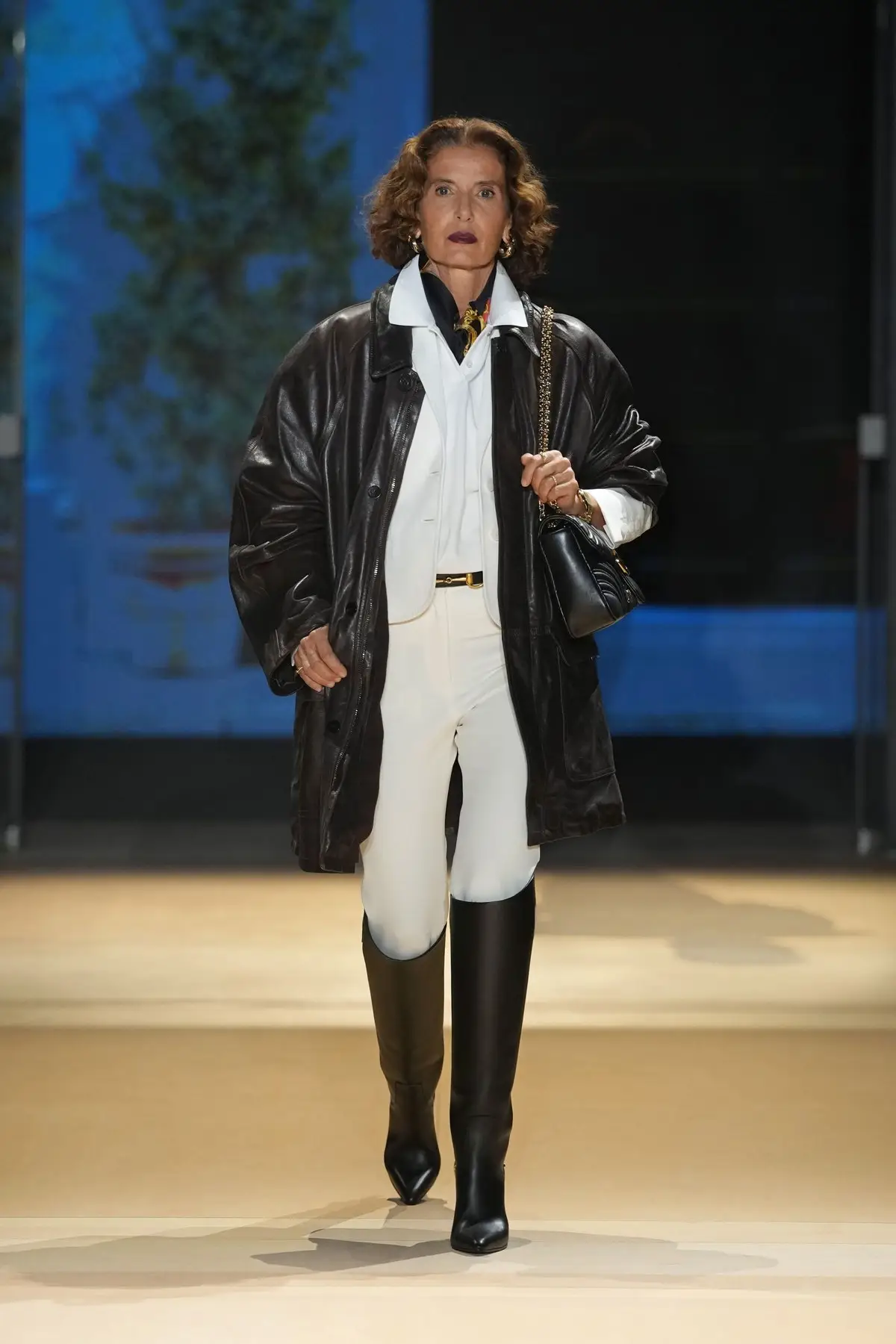
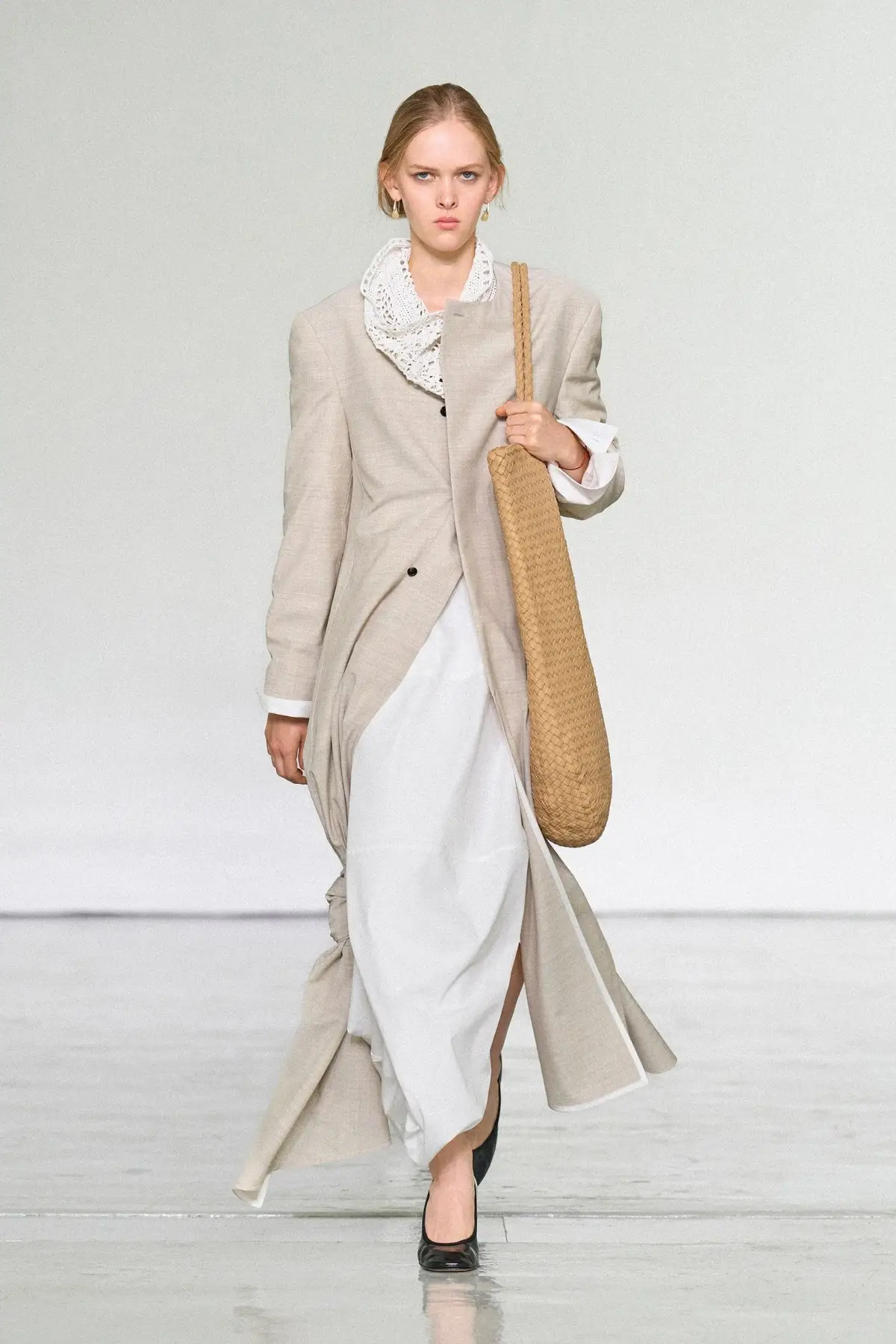
- 10Gucci, Spring 2027, look 3.
- 11Bottega Veneta, Spring 2027, look 1.
- 12Celine, Spring 2027, look 2.
Photos: Gorunway.com
Why it matters now
The groups frame the update around the fight against gender-based and sexual violence, and around protecting the youngest. Both are now, in their words, “more than ever at the heart of the challenges facing our societies”. Models are mostly young, often freelance, frequently far from home and dependent on agencies for work and housing. The 2017 charter dealt with bodies and health. This one deals with power: who is in the room, who can be told no, and who hears a complaint.
Our read
Eighteen is the headline, and it is overdue for LVMH’s houses. Kering got there seven years ago. The real change is that the groups have written down, in detail, what a safe set looks like, from robes and changing areas to written records of every report. The weak point is the verb. Audits that companies “may” carry out, and a committee whose findings aren’t promised in public, leave the charter only as strong as the people who choose to enforce it. Paris in 2027 is the first test. The next one is whether anyone outside the two groups is told how it went.
Free with The Letter · PDF
The Detail Glossary.
50 terms to read clothes by, from bias cut to bartack. One plain line on what each one is, one line on where to spot it. Join The Letter and the download is yours straight away. Then one email every other Sunday: three details, five minutes.
Your address is used only to send The Letter. It is stored by our host, Netlify, and never sold or shared. Reply "stop" to any edition and you are off the list. What an edition looks like.